The Boston Marathon Bombing was terrible and I hope they find the ones responsible as soon as possible. On that note, PetaPixel reported that Reddit and 4chan users are working to identify the Boston Bomber/s using any and all available photos. The police, FBI and other law enforcements have pleaded to the public to submit any photos taken from the marathon, before and after the bombings, so they can scour the pictures for any suspicious people. Because of this, they already have found two questionable people who they would like to interview.
This is great that the public can help with the investigation but like the title of this post states, it is a double edge sword. Reddit and 4chan users are collaborating to find any suspect from all pictures submitted online. This is a great idea for sharing ideas and opinions but it is also awful for sharing false evidence. This tactic ends up being a witch hunt and many innocent people will become a victim like the main character of The Scarlett Letter. One poster from the Reddit website wanted to remind people about Richard Jewell, who was wrongfully ousted as a suspect of the 1996 Atlanta Olympics bombing. Richard Jewell's life was ruined because of the false accusations by the media. With the help of the internet and forums like Reddit and 4chan, internet users might as well be part of the media and the same mistakes can happen for an innocent bystander who was photographed with a black backpack. This marriage of technology, art, and media (polygamous marriage?) has shot people into 15 minutes of successful fame like Carly Rae Jepsen (the Call me Maybe singer) or everlasting unwanted notoriety like Epic Boobs Girl (eventually EBG came around and accepted her internet fame).
So if Reddit and 4chan users do help find the suspect/s, they most likely ruined tens, if not hundreds, of lives along the way for falsely accusing innocent bystanders. It's great to be socially active, online or outside, but like many things in life, there are appropriate venues for certain types of activities. Leave the investigation to the pros, help out the law enforcement, don't impede it.
Thursday, April 18, 2013

Monday, April 15, 2013
Catnap433
So my performance art project consist of me taking a short nap. If Tilda Swinton can sleep in a glass case and Marina Abramovic can sit and stare at her audience and can call it performance art than my project is in the same vain. My piece is called Catnap433 because I take a short on and off nap for 10 minutes at exactly 4:33pm Pacific Standard time. This performance was taken at the Columbia Center Mall in Kennewick, WA. I hardly ever get enough sleep because I am kept busy with full time employment, full time parent/husband, and full time student so I'm always tired. Once in a while I doze off during the day for a few minutes. Cats are known to take a quick nap, wake up and then go back to sleeping for a block of 5-20 minutes and my behavior in the mall reflects that. I had my wife video record me while I was resting on the chair in front of a busy crowd of shoppers and patrons.
The reason I had my wife record me while I was asleep was to have visual evidence that the world does not stop for me or anyone else. The world continues to live on even when I close my eyes, feeling like I faded away into absence. As you can see, many shoppers, walkers, chatters, and so on kept on doing their business while I had no care in the world. Along with that, I sense that it was the same in other parts of the city, state, nation, and world. My video is juxtaposed with pictures, news clips, and videos of what happened throughout the world during my 10 minute nap. I have visual evidence of exactly where I was and what I was doing when North Korea threatened the safety of foreign embassies, President Obama apologizing for an inappropriate remark, Jay-Z visiting Cuba, and Sergey Brin driving around in a pink Batmobile. The performance displays the insignificance of my actions and others as well. The actions only matter to the people affected. The juxtaposed videos may show my sloth behavior but the other people's actions did not directly affect me either. The audience can interpret all the cues of human behavior through this piece but in essence, I may have taken a cat nap but the world never sleeps.
Catnap433 from Ken DelaCruz on Vimeo.
The reason I had my wife record me while I was asleep was to have visual evidence that the world does not stop for me or anyone else. The world continues to live on even when I close my eyes, feeling like I faded away into absence. As you can see, many shoppers, walkers, chatters, and so on kept on doing their business while I had no care in the world. Along with that, I sense that it was the same in other parts of the city, state, nation, and world. My video is juxtaposed with pictures, news clips, and videos of what happened throughout the world during my 10 minute nap. I have visual evidence of exactly where I was and what I was doing when North Korea threatened the safety of foreign embassies, President Obama apologizing for an inappropriate remark, Jay-Z visiting Cuba, and Sergey Brin driving around in a pink Batmobile. The performance displays the insignificance of my actions and others as well. The actions only matter to the people affected. The juxtaposed videos may show my sloth behavior but the other people's actions did not directly affect me either. The audience can interpret all the cues of human behavior through this piece but in essence, I may have taken a cat nap but the world never sleeps.
Catnap433 from Ken DelaCruz on Vimeo.
Tuesday, April 9, 2013
International Internet Memes
I love memes. They are hee-larry--yous. My favorite ones lately is
Condescending Willy Wonka,

Scumbag Steve

and Disappointed Asian Dad.

I find memes as a mixture of art and technology. There is an art to create a memorable meme. It pertains to photo, video, and audio editing. It uses the internet as a medium. Memes are and if not, should, fall into the genre of net art.
What I thought was an American culture is actually something that crosses the oceans and country boundaries. Most of these foreign memes are as creative, memorable, and funny as American memes. Here's a link to Mental Floss's collection of current internet memes. I really find the Pantyhose Canines funny.

Lately some of these overseas memes has crossed over to us. The Harlem Shake, where people start out mellow for the first 15 seconds, go nuts in the last 15 seconds, started in Norway and this cute one that started in Korea, called Kiyomi Gwiyomi, stars lots of cute asian girls doing a hand choreographed dance.
Condescending Willy Wonka,
Scumbag Steve
and Disappointed Asian Dad.
I find memes as a mixture of art and technology. There is an art to create a memorable meme. It pertains to photo, video, and audio editing. It uses the internet as a medium. Memes are and if not, should, fall into the genre of net art.
What I thought was an American culture is actually something that crosses the oceans and country boundaries. Most of these foreign memes are as creative, memorable, and funny as American memes. Here's a link to Mental Floss's collection of current internet memes. I really find the Pantyhose Canines funny.
Lately some of these overseas memes has crossed over to us. The Harlem Shake, where people start out mellow for the first 15 seconds, go nuts in the last 15 seconds, started in Norway and this cute one that started in Korea, called Kiyomi Gwiyomi, stars lots of cute asian girls doing a hand choreographed dance.
Thicke Blurred Line
A few days ago, Youtube banned a video from crooner Robin Thicke (who by the way is the son of Alan Thicke, the father figure in the 80's/90's family sitcom Growing Pains). Gizmodo reported the decision by Youtube in this article. In the video, it has the crooner himself and two well know hip hop artists, T.I. and Pharell, singing and dancing with 3 topless and panty clad women. Youtube had the video on their website for less than a week until it decided it was considered porn. In the article, it states the policies and procedures of how Youtube deems a video not suitable for the site. It cites other videos that were banned under their rules. I have no opinion on Youtube's decision but I do feel the internet is a Wild West scenario where anything goes and this includes Youtube but the website has a responsibility to deem what is appropriate for its audiences. These artists know what they are doing. I feel they always hide behind the definition of art so they can stay trendy and controversial which ends up in publicity and increase sales. They play innocent and cite freedom of speech and artistic integrity but they are put in a position where they can decide what is morally right. SpiderMan's Uncle Ben said with great power comes great responsibility. The artists and all involve have that power but are they being responsible?
It is funny to me how easily accessible adult material is nowadays, especially pornographic material. Growing up, you either had to sneak or steal a magazine or video from an older brother or friend or watch blurred out porn. Now, it's just a quick search on the internet. I'm not a prude and I am glad the censorship is progressing to being more open but at the same time there is a time and a place for these things, not just nudity but violence, foul language, sex, etc.
What I find ironic is the title of Robin Thicke's song blurred line because when things are censored, blurring lines is what is used to censor things. Don't get me wrong, I'm usually on the side of art but artist needs to stopped being douchebags about their materials. Robing Thicke needs to be honest and state, he just wanted some naked ladies dancing around cause it would look cool and controversial. I dig the video and the song. Heres a link to the video. Here are a few more examples of music videos with nudity but I feel they have more artistic integrity: Asap Rocky and Killer Mike.
*All three songs are catchy and are on my playlists.
It is funny to me how easily accessible adult material is nowadays, especially pornographic material. Growing up, you either had to sneak or steal a magazine or video from an older brother or friend or watch blurred out porn. Now, it's just a quick search on the internet. I'm not a prude and I am glad the censorship is progressing to being more open but at the same time there is a time and a place for these things, not just nudity but violence, foul language, sex, etc.
What I find ironic is the title of Robin Thicke's song blurred line because when things are censored, blurring lines is what is used to censor things. Don't get me wrong, I'm usually on the side of art but artist needs to stopped being douchebags about their materials. Robing Thicke needs to be honest and state, he just wanted some naked ladies dancing around cause it would look cool and controversial. I dig the video and the song. Heres a link to the video. Here are a few more examples of music videos with nudity but I feel they have more artistic integrity: Asap Rocky and Killer Mike.
*All three songs are catchy and are on my playlists.
Wednesday, April 3, 2013
Reference to Alice Loc
Alice Loc in our DTC class did a project a few weeks ago discussing the stereotypes of Americans for each state by Americans. It was a great insight of the inner prejudice in every American. This website, displaying projects by Yanko Tsvetkov, takes the same idea by Alice and does a global spin to it. Yanko designed maps of other countries with American views of each country in mind. This is the whole world according to Americans:

This project is pretty truthful in my opinion. I've been to many countries all over the world thanks to my travels with the US Navy but in every new country I visit, the only thing I knew about the country were things I heard about through bias opinions or stereotypes. For example, I've been to Perth, Australia and all I knew about Aussies were they have a lot of koalas and kangaroos. I even purposely went out to eat a kangaroo steak but I enjoyed my time in Perth, one of the best places I have ever visited because they have a colonial looking city like Boston or Philadelphia but with a great beach like California.

My visits to Tokyo, Japan were bias because of all the ninja movies and anime I've watched. Now, I wish I could live there. It is my goal to find a overseas job in Japan because I've visited it so often that I am enamored with its culture and history and food (other than sushi and teriyaki). I've also heard many bad things about Thailand and it's sex industry. Yes, they do have a sex industry but it is not what defines them. If that's what defines Thailand, then Americans are nothing but scary gun owners (which isn't true). Thailand is known as "The Land of Smiles" and it is very true. Thai people are wonderful and modest and Thailand has great places to visit and sightsee. For me, it was breathtaking to visit Thailand.

All in all, Yanko hit on target about the stereotypes of all the countries including American views of themselves. The only way to overcome these stereotypes is to actually go out and get to know the people around the world in your neighborhood or school or better yet, go out and travel. If not, you'll just perpetuate the views of Americans by the rest of the world.

This project is pretty truthful in my opinion. I've been to many countries all over the world thanks to my travels with the US Navy but in every new country I visit, the only thing I knew about the country were things I heard about through bias opinions or stereotypes. For example, I've been to Perth, Australia and all I knew about Aussies were they have a lot of koalas and kangaroos. I even purposely went out to eat a kangaroo steak but I enjoyed my time in Perth, one of the best places I have ever visited because they have a colonial looking city like Boston or Philadelphia but with a great beach like California.
My visits to Tokyo, Japan were bias because of all the ninja movies and anime I've watched. Now, I wish I could live there. It is my goal to find a overseas job in Japan because I've visited it so often that I am enamored with its culture and history and food (other than sushi and teriyaki). I've also heard many bad things about Thailand and it's sex industry. Yes, they do have a sex industry but it is not what defines them. If that's what defines Thailand, then Americans are nothing but scary gun owners (which isn't true). Thailand is known as "The Land of Smiles" and it is very true. Thai people are wonderful and modest and Thailand has great places to visit and sightsee. For me, it was breathtaking to visit Thailand.
All in all, Yanko hit on target about the stereotypes of all the countries including American views of themselves. The only way to overcome these stereotypes is to actually go out and get to know the people around the world in your neighborhood or school or better yet, go out and travel. If not, you'll just perpetuate the views of Americans by the rest of the world.
Thursday, March 28, 2013
The Hawkeye Initiative
I was a big fan of comic books. I still am but not as much as an avid reader but more of a spectator of the media crossovers. I remember growing up in my early teens reading comic books and all the heroines portrayed in the art were posed in such awkward ways, usually way too sexual. Being a fan of the booming trend of comic book movies, I never noticed the blatant exposure of the heroine's butt. I came across a Huffington Post link that had 8 examples of movie posters with the heroine of every different movie pose in the same exact way, showing the backside. Heres a few examples:


As you can see, all the superheroines are posing the same especially being surrounded by men. The news link just addresses the easy and I follow another link in its post to a website call The Hawkeye Initiative, base on the comic book character that Jeremy Renner plays in the movie The Avengers. I will admit comic books is the last place people should look at for feminine equally. It is a boy's club, much like Playboy and I don't think it will ever change. Even women artists and writers concede to the sexy heroine archetype but The Hawkeye Initiative, satirically engages the sexy poses, diminishing the appeal all together much like a visual of a shirtless hairy Robin Williams eating a bucket of fried chicken (I saw a drawing of this in a Maxim Magazine a long time ago). That imagery can make anyone lose their arousal. My point is, The Hawkeye Initiative is precisely to desexualize the comic book heroine poses based on the replacement of the heroine by Hawkeye. These visuals are hilarious and I feel I need to share, laugh and point.


The website is full of wonderful amateur artwork and they are all hilarious. I prefer my comics books to stay the same but it is refreshing that the customers are fully aware of the manipulative marketing of the industry.
As you can see, all the superheroines are posing the same especially being surrounded by men. The news link just addresses the easy and I follow another link in its post to a website call The Hawkeye Initiative, base on the comic book character that Jeremy Renner plays in the movie The Avengers. I will admit comic books is the last place people should look at for feminine equally. It is a boy's club, much like Playboy and I don't think it will ever change. Even women artists and writers concede to the sexy heroine archetype but The Hawkeye Initiative, satirically engages the sexy poses, diminishing the appeal all together much like a visual of a shirtless hairy Robin Williams eating a bucket of fried chicken (I saw a drawing of this in a Maxim Magazine a long time ago). That imagery can make anyone lose their arousal. My point is, The Hawkeye Initiative is precisely to desexualize the comic book heroine poses based on the replacement of the heroine by Hawkeye. These visuals are hilarious and I feel I need to share, laugh and point.
The website is full of wonderful amateur artwork and they are all hilarious. I prefer my comics books to stay the same but it is refreshing that the customers are fully aware of the manipulative marketing of the industry.
Monday, March 25, 2013
Pixar rules
There is a webpage that I stumbled across that explains Pixar's 22 rules of storytelling. These rules were originally tweeted Pixar's Story Artist. I have watched every single Pixar movie and most of them more than once including all there short films (even ones from the 1980's). My personal favorite feature film has to be Finding Nemo with a close second of Up. My favorite short film is Partly Cloudy.
I won't go through every rule on the list but there are a couple that I thought were great advices to creating a riveting story. Most of the tips seem to be common sense to a writer but these are what I would consider helpful advices for any struggling writer no matter the genre.
Tip 14: Why must you tell this story? What's the belief burning within you that your story feeds off of? That's the heart of it.
I like this tip because it forces the writer to question his motives of his/her writing. Sometimes I feel I just babble on and on in my writing without saying anything but this tip addresses me, as a writer, to stay focus on the story.
Tip 20: Exercise: take the building blocks of a movie you dislike. How'd you rearrange them into what you do like?
There are plenty of movies I dislike but I think this tip is about movies that you might have enjoyed but the pacing and editing of the story is what hindered the enjoyment. It is not about a movie a you hate and figure out what changes you can do to make it better. In other words, if you hate the movie Twilight and you think the movie would have been better if it didn't have sparkling vampires in it, that is not what the tip is trying to get at. If you mildly enjoy Twilight but you think the editing and storytelling was out of sync and you know how to make it run smoother, more to your liking and pace, then you have made a good story into a better one (*Not that I think Twilight was a good story but it was just an example).
For example, I would have like the movie Avatar but it was overly drawn out. It was a sci-fi action movie but the beginning of the movie was rather slow and tedious. I would have started out with an action sequence, like a scene from the end battle and then lead up to how we came to the beginning. This would set the pace of the movie and give a hint to what to expect.
I won't go through every rule on the list but there are a couple that I thought were great advices to creating a riveting story. Most of the tips seem to be common sense to a writer but these are what I would consider helpful advices for any struggling writer no matter the genre.
Tip 14: Why must you tell this story? What's the belief burning within you that your story feeds off of? That's the heart of it.
I like this tip because it forces the writer to question his motives of his/her writing. Sometimes I feel I just babble on and on in my writing without saying anything but this tip addresses me, as a writer, to stay focus on the story.
Tip 20: Exercise: take the building blocks of a movie you dislike. How'd you rearrange them into what you do like?
There are plenty of movies I dislike but I think this tip is about movies that you might have enjoyed but the pacing and editing of the story is what hindered the enjoyment. It is not about a movie a you hate and figure out what changes you can do to make it better. In other words, if you hate the movie Twilight and you think the movie would have been better if it didn't have sparkling vampires in it, that is not what the tip is trying to get at. If you mildly enjoy Twilight but you think the editing and storytelling was out of sync and you know how to make it run smoother, more to your liking and pace, then you have made a good story into a better one (*Not that I think Twilight was a good story but it was just an example).
For example, I would have like the movie Avatar but it was overly drawn out. It was a sci-fi action movie but the beginning of the movie was rather slow and tedious. I would have started out with an action sequence, like a scene from the end battle and then lead up to how we came to the beginning. This would set the pace of the movie and give a hint to what to expect.
Thursday, March 21, 2013
Crude Truth
This blog will be based on my website that I created for the 3rd project. The title is Crude Truth of Life's Lemons. The concept behind this is when life gets you down or throws obstacles in your way--Cowboy up, put on a Cape, and hulk smashed the hell out of those lemons to a pulp. The four life's lemons are self doubt, lethary, fear, and apathy. These four negative qualities are the weakness to the human spirit, a kryptonite to your inner Superman. When these parasites got you down and corner; gain strength, grow some balls and flying jump kick your worries in the face.
The design was base on a comic book feel as in separate panels. The crown insignias are for brand recognition and is a reference to the author. The animated gifs are for positive reinforcement to the general audience much like pictures of cats clinging on a branch with a caption of "Hang in there." Instead you get the Incredible Hulk, getting enrage, and Hulk-smashing the fuck out of Lethary or Captain America bitch-slapping the crap out of Fear. In other works, don't just wait around until it gets better, get up, get hype and do something about that lemon tree that Life is throwing at you.

The design was base on a comic book feel as in separate panels. The crown insignias are for brand recognition and is a reference to the author. The animated gifs are for positive reinforcement to the general audience much like pictures of cats clinging on a branch with a caption of "Hang in there." Instead you get the Incredible Hulk, getting enrage, and Hulk-smashing the fuck out of Lethary or Captain America bitch-slapping the crap out of Fear. In other works, don't just wait around until it gets better, get up, get hype and do something about that lemon tree that Life is throwing at you.

Monday, March 18, 2013
Focus: Mary Flanagan
In this weeks reading, I came across Mary Flanagan who is a digital media artist who "investigates the relationship between everyday life and emerging technologies through art. (p. 280)". I'm always a fan of artistic portrayal of slice of life. I prefer watching movies that consist of that topic. I like listening to music about everyday life and so on.
I wanted to look at what Mary has worked on and I found her website that shows her art. Here is a few examples I thought were intriguing.
[search]
This is based on the concept of how internet users use search engines. People would rather use search engines instead of doing face to face communication or go to a library. Whatever the results are whether they are useful or not, the person would rather sift through the misinformation than do physical research. As Flanagan describes,
[from the ranks]
This is a conceptual art based on a video game created by the US Army for recruiting purposes. Flanagan states that where she comes from, it's either farming or military. In this art, Flanagan takes screenshots of the game and then has a computer embroider a design that juxtapose the familiar feeling of home and the dangers of war and violence all based on information brought from a video game. As Flanagan states, "The works engage with the role of the military in my everyday life, from the standardized tests and recruitment visits to family memorabilia, and how present feelings about these experiences are discovered in contemporary computer-based images".


[search]
This is based on the concept of how internet users use search engines. People would rather use search engines instead of doing face to face communication or go to a library. Whatever the results are whether they are useful or not, the person would rather sift through the misinformation than do physical research. As Flanagan describes,
"Users click on words in the live search feed as they find words in others’ searches which interest them. These words separate, and conduct their own searches on themselves. Users can drag two words together which interest them to produce associative searches. At this point, who is the searcher? What is being searched?"
This concept is exactly how I feel about my internet use. I would rather use search engines than go to the library and no matter how far the links go down the "rabbit hole" I keep on going until I find my way back out or just start all over again. This is how I get lost on Youtube.
This concept is exactly how I feel about my internet use. I would rather use search engines than go to the library and no matter how far the links go down the "rabbit hole" I keep on going until I find my way back out or just start all over again. This is how I get lost on Youtube.
[from the ranks]
This is a conceptual art based on a video game created by the US Army for recruiting purposes. Flanagan states that where she comes from, it's either farming or military. In this art, Flanagan takes screenshots of the game and then has a computer embroider a design that juxtapose the familiar feeling of home and the dangers of war and violence all based on information brought from a video game. As Flanagan states, "The works engage with the role of the military in my everyday life, from the standardized tests and recruitment visits to family memorabilia, and how present feelings about these experiences are discovered in contemporary computer-based images".


The reason behind this concept is very familiar to me. I was in the Navy for 6 years and I've met plenty of people who has been a "military" family for several generations. All the know is the military, the military is their family. I've also known military personnel that joined because of things they saw in a movie or in video games, thinking that is what the military is all about. This project is a bulleye on the metaphor of military life.
[borders]
This was based on a great quote from writer Henry David Thoreau in which he states, “Two or three hours’ walking will carry me to as strange a country as I expect…” Flanagan grab the ball from this quote and went beyond the wanderlust. In an online multiplayer game, Flanagan would make her character wander aimlessly winding up to the games "edge of the world". This facade of endless boundaries in videos was capture via screenshots; "exposing the algorithmic nature of landscape rendering and the cut-off points between subscribers or those who have virtual ownership".


Though these images reveal the boundaries of a game that is suppose to be a vast world. It still seems like a realistic parallel of the world. The game shows an endless world but has to place a border because the game has to continue, there is a story to the game or point to the character's life. It can't be wasted walking aimlessly. In my endeavors in the Navy, I would travel and explore a new location, basically having an endless path to an adventure but I knew I had to limit myself plus there were limits placed on me by forces I could not control. In retrospect, my travels exposed the nature of my landscapes and comfortability of being in a new place plus the restrictions I was place upon only to be able to continue my life story/journey. Sounds cheesy but it's the truth.
Saturday, March 9, 2013
Wearable Technology Part 2
I've posted a blog about wearable technology about a month ago. I've mentioned Steve Manns' WearComp and Takehito Etani's "The Third Eye". In the news lately there has been a lot of focus on Apple's iWatch and Google's Glass. I'm not sure what the future holds on wearable technology but they are interesting. Virtual Reality game systems and Nintendo's Virtua Boy and Power Glove are evidence that fashion and technology don't necessarily mix. But Heads Up Display helmets have been very useful in the military. So there are ways the two genres can work well together. In more recent news, Fast Company reported that Adidas and Google merged for a shoe with a tech personality that resembles iPhone's Siri. This shoe can detect the activity of the wearer. If the wearer is inactive it will shout, "I'm growing weeds here." If it notices you move around a lot the shoe will suggest the wearer to go for a jog or play basketball.
The more I read the descriptions of what the shoe offers, the more I thought of MC Hammer. Let me explain. Back in the 90's, Hammer was so famous they made a Saturday morning cartoon out of him. In the cartoon, he has magic talking shoes that helps him fight crime and do his amazing Hammer dances. Both the cartoon and the Adidas just seem unnecessary. A talking shoe is not something the future needs.
The more I read the descriptions of what the shoe offers, the more I thought of MC Hammer. Let me explain. Back in the 90's, Hammer was so famous they made a Saturday morning cartoon out of him. In the cartoon, he has magic talking shoes that helps him fight crime and do his amazing Hammer dances. Both the cartoon and the Adidas just seem unnecessary. A talking shoe is not something the future needs.
Tuesday, March 5, 2013
Nice Car
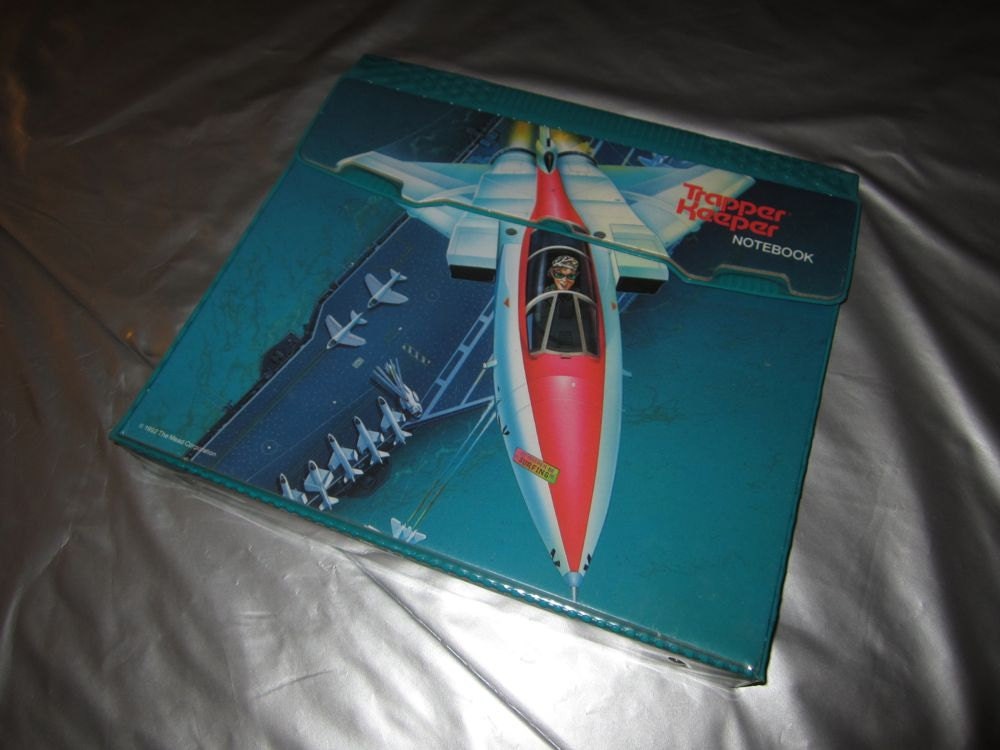
Here's art and technology combined on wheels. The 2013 Lamborghini Veneno has been recently showcased in the Geneva Auto Show and it looks amazing. I'm not much of a car guy. I am a practical person that would prefer a sedan to get around from A to B but in my younger days, during elementary and middle school I would carry Trapper Keeper folders and binders of things I thought looked awesome. I remember having a binders with a Ferrari and a Fighter Jet on them and made me covet them. They were things I adored and hope one day to have. I think all my peers had a Trapper Keeper that had a picture of something they hope to have one day.

The Veneno is the dream of all the young boys. It is amazing looking, almost similar to the Batmobile. It's a limited design along with limited editions. Lamborghini only made four total but will only sell three and they have already sold out. The Veneno is at a low low price of just under 4 million dollars. Just like back in the 80's and 90's, the only place you'll see one of this is on a Trapper Keeper or whatever the equivalent is to kids nowadays. Nevertheless, it is a beautiful car, a work of art on wheels.

 |
| Just a few examples of what was so rad back in the 80's and 90's |
 |
| Trapper Keepers: Still Awesomely Rad!!! |
Friday, March 1, 2013
Poetic Thinking
In this week's reading, Shanken introduced David Rokeby and Lev Manovich. There are two quotes I take to heart in this week's lecture. Rokeby states, "A technology is interactive to the degree that it reflects the consequences of our actions or decisions back to us (223)." Manovich claims, "In contrast, as a post-communist subject, I cannot but see Internet as a communal apartment of Stalin era: no privacy, everybody spies on everybody else, always present line for common areas such as the toilet or the kitchen (224)."
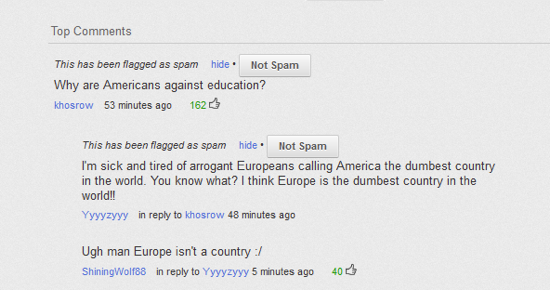
Both these statements were made in the mid 1990's when the Internet was just picking up steam but are still relevant with today's Web 2.0. I'm not sure if these two men had any idea the direction society was taking the Internet to with its addiction to social networking but these two statements are definite prophecies of the likes of Youtube and Facebook. Everyday there is a national and global story that depicts online etiquette and mob mentality that reflects the leery predictions of these two forward thinking techies. They are like the millennial Nostradamus. How many lives have been change for better or worst with participants of Youtube videos and its interactivity. How many people freely give up there privacy for the sake of attention grabbing on Facebook, whom, by the way, treat their page like a public toilet; overflowing with non sense comments and photos, somewhat like a pissing contests.
I agree with Manovich when he says the Internet is good, the Internet is good, the Internet is good but it is real difficult to standby that affirmation when you read comments on any Youtube video.


Both these statements were made in the mid 1990's when the Internet was just picking up steam but are still relevant with today's Web 2.0. I'm not sure if these two men had any idea the direction society was taking the Internet to with its addiction to social networking but these two statements are definite prophecies of the likes of Youtube and Facebook. Everyday there is a national and global story that depicts online etiquette and mob mentality that reflects the leery predictions of these two forward thinking techies. They are like the millennial Nostradamus. How many lives have been change for better or worst with participants of Youtube videos and its interactivity. How many people freely give up there privacy for the sake of attention grabbing on Facebook, whom, by the way, treat their page like a public toilet; overflowing with non sense comments and photos, somewhat like a pissing contests.
I agree with Manovich when he says the Internet is good, the Internet is good, the Internet is good but it is real difficult to standby that affirmation when you read comments on any Youtube video.


Sunday, February 24, 2013
Groupe de Recheche d'Art Visuel
Groupe de Recherche d'Art Visuel (GRAV) described on page 199 in the textbook seemed to me like the Justice League of Visual Arts much like Ansel Adams founded the Justice League of Photography with f/64. GRAV was founded in 1960 by Julio Le Parc, Francois Morellet, Horacio Garcia Rossi, Francisco Sobrino, Joel Stein, and Yvaral. They mainly worked with mediums focused in light and movement, usually in the form of kinetic art.
Like Adams' f/64, GRAV abides to its own manifesto. Some points in the manifesto are the "creation of a new visual relationship between the object and the eye of the beholder...in which the meaning and the intervention of the artist are kept to a minimum." Their purpose is to "attract the attention of the viewer, making him free to loosen it."
Here are a few examples of GRAV works.


Like Adams' f/64, GRAV abides to its own manifesto. Some points in the manifesto are the "creation of a new visual relationship between the object and the eye of the beholder...in which the meaning and the intervention of the artist are kept to a minimum." Their purpose is to "attract the attention of the viewer, making him free to loosen it."
Here are a few examples of GRAV works.



In each work of art GRAV asks the viewer to step out of his inhibitions and engages the viewer. The viewer must interact with the art and not just be a spectator. This is a common technique with today's artist but in the 1960's ir was revolutionary.
Wednesday, February 20, 2013
Forensic Photography
Maybe I'm just naive but I didn't know there were agencies and programs out there that check for photoshopped / altered pictures. I know there are experts that can tell if a photo has been altered but I assumed they just scour the photo diligently and find the flaws with their own eyes. Accord to this CNET article from Australia, every digital camera leaves traces of digital noise or imperfection, somewhat like the camera's own fingerprints.
A team of forensic analysts from the University of Albany has developed a technique that measures the inconsistencies in a photograph's "noise" profile. An example used is this photo of Tiger Woods holding a flamingo. Tiger Woods has one distinct pattern of digital noise while the flamingo has a different pattern which is forensic proof that the overall photograph has been tampered.

A team of forensic analysts from the University of Albany has developed a technique that measures the inconsistencies in a photograph's "noise" profile. An example used is this photo of Tiger Woods holding a flamingo. Tiger Woods has one distinct pattern of digital noise while the flamingo has a different pattern which is forensic proof that the overall photograph has been tampered.

There are other solutions available that can verify the authenticity of photos but they have been compromised by hackers which makes the team from U of Albany much more welcomed to the digital age and digital literacy. For the most part, an image is obvious if it has been tampered with but there are images that are hard to tell and this technology can become very useful. There are countless times where an altered picture has been use for hidden agendas like political conflicts by Iran and North Korea or conspiracy theorists who needs convincing of a particular movement and it is good to know that there are programs and experts who can call them out on it.
Tuesday, February 19, 2013
Happiness base on Tweets
Seeing this is the week where we are visualizing data, I figured this article is relevant to the second project. In The Atlantic article, it reports a study that shows data visualization of happiness via tweets. The tweets are tracked based on specific emotional words used in particular locations. In this map, the red states are much more happier than the blue ones and gray states are neutral. I'd like to point out that the map is not a political affiliation of the two major government parties running the country which was not pointed out by the author or the study.


As you can see, Hawaii is the happiest state and Lousiana is the saddest. Also, broken down by city, Napa, CA is the happiest city and Beaumont, TX was the saddest city. The author points out several trends based on the study. Most of the poorer states are in the blue status and the richer states in the red. The words use in the study were profanities like shit, ass, bitch, stupid, sucks and acronyms like lol and haha and positive adjectives like nice, funny and amazing. This is somewhat misleading because the study does not take into account the context of the words used. Phrases like "Aw Shit, just won the lotto, suck it, stupid job" would use three words that are deemed unhappy by the study's standard and "Nice, my dog just threw up his food on my friend's shoe" would be deemed happy.
Another flaw that the author points out are how cultures would deem happiness. According to the study, Norwegian ancestry people are much more happier than African Americans. This seems all relative. One major thing I would have to agree with the author is the exclusion of the Spanish language. Hispanics and Latinos are the largest rising demographic in the US but their voice was ignored because their language did not fall into the study. According to the author, the study's findings correlation with nationwide surveys done by the Gallup polls that measured happiness but with the statistics found in the Twitter experiment, it just seems flawed.
This was a great example of how data can be represented in visualization and is open to interpretation much like the projects presented in class. It's valuable information even if it's a little askewed.
Saturday, February 16, 2013
What is music?
In this post, I came across a video of an artist who interpreted what the rings of a tree would sound like on a record player. For those that don't remember what a record player is, this is a picture of one.

Bartholomaus Traubeck assembled a piece called Years that does exactly that. Using a turntable, a PS3 eye camera, a stepper motor to control the arm, and a computer. The program on the computer interprets the rings with its embedded piano sounds. The particular ring in this video sounds like abstract piano music in an indie European movie.
This artistic music interpretation using modern technology reminds me of another piece that Takehito Etani, an innovative artist I mentioned in an earlier post. In Pimp my Heart, Etani created a device that links the heartbeat of a human being to a car stereo system. The heartbeat becomes the bass line for the streaming music. Both Etani and Traubeck have thought outside the box and questioned, "What is music?"

Bartholomaus Traubeck assembled a piece called Years that does exactly that. Using a turntable, a PS3 eye camera, a stepper motor to control the arm, and a computer. The program on the computer interprets the rings with its embedded piano sounds. The particular ring in this video sounds like abstract piano music in an indie European movie.
This artistic music interpretation using modern technology reminds me of another piece that Takehito Etani, an innovative artist I mentioned in an earlier post. In Pimp my Heart, Etani created a device that links the heartbeat of a human being to a car stereo system. The heartbeat becomes the bass line for the streaming music. Both Etani and Traubeck have thought outside the box and questioned, "What is music?"
Thursday, February 14, 2013
Beyond Pages
Another innovating idea during the 1990's that is complacent by today's standard is Masaki Fujihata's Beyond Pages on page 173. In his art work is his take on the future of books and the relationship it has to reality. The "book" is a touchscreen monitor that interacts with a pen that corresponds to the user's actions. The screen displays book pages that will turn over and make the sound of turning over. If you touch the apple object with the pen, a bite out of the apple is taken and a sound of the apple bite is heard. There is a lamp beside the computer book and when you touch a picture of a lamp on the screen, the actual lamp will light up. Same thing happens to the picture of a door. When touched, a real door will open in the room. At the time of conception, this must have been mindblowing and futuristic. "What can technology come up with next?" must have been asked many times when viewers interacted with the tablescreen.
It may be funny to laugh at how outdated this art concept is but it basically foretold our present technologies with everything touchscreen and interactive. The Nook, Kindle, iPad, Note, Androids, iPhones, etc all can do what Fujihata has conceived and more. Shanken states, "The artist seeks to provide a 'sensory tool to use in recognizing objects in a new way--similar to the system of a good poem, which opens people's minds.'" I like to think our current and future technologies are still doing this.
It may be funny to laugh at how outdated this art concept is but it basically foretold our present technologies with everything touchscreen and interactive. The Nook, Kindle, iPad, Note, Androids, iPhones, etc all can do what Fujihata has conceived and more. Shanken states, "The artist seeks to provide a 'sensory tool to use in recognizing objects in a new way--similar to the system of a good poem, which opens people's minds.'" I like to think our current and future technologies are still doing this.
Bodies Inc
This piece was mentioned in the textbook on page 156. The description of the art seemed fascinating. It allows the user or visitor to go to a website where you can create an identity or avatar online but it is limited to the same kinds of restrictions that occur in the physical world. Restrictions of capitalism, bureaucracy, and fixed social categories are what constrains the freedom of a perfect avatar. The restrictions are decided for you. So it is basically creating a character with flaws and limitations.
I tried creating an avatar in the Bodies Inc. website but it seems like an outdated webpage. To my dismay, my browser does not support their service but I can imagine what I could have created. I wish I could of gotten a chance to check out the website but there are plenty of online games with realistic experience embedded in their program, the main ones being Second Life and The Sims. In those games, if you can afford the time and the money, you have access to a luxurious online experience or you can purposely play at "minimum" or disabled attributes to give yourself a challenge. This may not be the same idea Bodies Inc artists had in mind but the concept of creating an avatar to the user's liking are the same.
The idea behind Bodies Inc may have been thought provoking at its conception in the late 1990's but now it's a norm. There are even movies created in the past decade base on this premise. Surrogate and Gamer are movies that questions how life would be if you vicariously live it through avatars. Surrogate is the better one of the two but both are entertaining.
I tried creating an avatar in the Bodies Inc. website but it seems like an outdated webpage. To my dismay, my browser does not support their service but I can imagine what I could have created. I wish I could of gotten a chance to check out the website but there are plenty of online games with realistic experience embedded in their program, the main ones being Second Life and The Sims. In those games, if you can afford the time and the money, you have access to a luxurious online experience or you can purposely play at "minimum" or disabled attributes to give yourself a challenge. This may not be the same idea Bodies Inc artists had in mind but the concept of creating an avatar to the user's liking are the same.
The idea behind Bodies Inc may have been thought provoking at its conception in the late 1990's but now it's a norm. There are even movies created in the past decade base on this premise. Surrogate and Gamer are movies that questions how life would be if you vicariously live it through avatars. Surrogate is the better one of the two but both are entertaining.
Monday, February 11, 2013
Color Blindness
This is a pretty neat simulator I discovered online. It simulates what photographs look like to a person who is color blind. I've had friends who were color blind and I would ask them what colors do they see and it was difficult for them to explain. I think, eventually they get tired of trying to explain so they just say everything looks gray.
According to PetaPixel, a photography blog targeted at tech savvy photo enthusiasts, 1 in 12 men and 1 in 200 women are color blind. There are three kinds of color blindness: Protanopia and Deuteranopia (both common forms of red-green color blindness) and Tritanopia (blue-yellow color blindness). The website, etre.com, a design website, offers a converter that allows the user to upload a 1000 X 1000 pixel photograph to a color blindness perception. It is a very intriguing look at how 4.5% of the population view images and life in general.
Here's my experiments with the program:

*All pictures were taking in my visit at a car show in Japan in 2007.
According to PetaPixel, a photography blog targeted at tech savvy photo enthusiasts, 1 in 12 men and 1 in 200 women are color blind. There are three kinds of color blindness: Protanopia and Deuteranopia (both common forms of red-green color blindness) and Tritanopia (blue-yellow color blindness). The website, etre.com, a design website, offers a converter that allows the user to upload a 1000 X 1000 pixel photograph to a color blindness perception. It is a very intriguing look at how 4.5% of the population view images and life in general.
Here's my experiments with the program:

*All pictures were taking in my visit at a car show in Japan in 2007.
Friday, February 8, 2013
Wearable Tech
This portion of the textbook intrigue me, especially on page 126 that describes Steve Mann's WearComp. Mann created several technologies, head gear devices that the user can wear that records the field of view and streams it live on the internet. This device would be great for vlogging but what intrigue me was that "These devices raise questions about art, cyborgs, and surveillance in an era when augmented and virtual realities are increasingly being incorporated into the understanding of perception." This quote reminded me of another artist who develop a wearable technology that records an abstract perception.
Takehito Etani created a device called "The Third Eye" that is mounted on the user's head that allows himself to view himself in "third person", much like how the protagonist is viewed in games like Grand Theft Auto and Batman: Arkham Asylum. It's a very unique experience and experiment. There are videos of Takehito wearing the device out in the city and he receives peculiar looks and mockery, even sometimes fear and anger. That is where the reactions of these wearable devices intrigue me. Like the book says, it raises questions about art, cyborgs and surveillance and in this video, people are not yet ready to accept these "third eyes" or "second skins".
Takehito Etani created a device called "The Third Eye" that is mounted on the user's head that allows himself to view himself in "third person", much like how the protagonist is viewed in games like Grand Theft Auto and Batman: Arkham Asylum. It's a very unique experience and experiment. There are videos of Takehito wearing the device out in the city and he receives peculiar looks and mockery, even sometimes fear and anger. That is where the reactions of these wearable devices intrigue me. Like the book says, it raises questions about art, cyborgs and surveillance and in this video, people are not yet ready to accept these "third eyes" or "second skins".
Subscribe to:
Posts (Atom)